

Tanzanian President Samia Suluhu Hassan and Ugandan Head of State Yoweri Museveni.
Uganda’s trade compass is steadily turning south, and the shift is now impossible to ignore. In just three years, Tanzania has climbed from a secondary supplier to Uganda’s most important import source in East Africa, elbowing Kenya aside.
For decades, Uganda’s trading rhythm was tuned to Kenya. Mombasa’s port served as the main entry point for goods. The Northern Corridor carried fuel, food, machinery, and a wide range of manufactured items into Uganda.
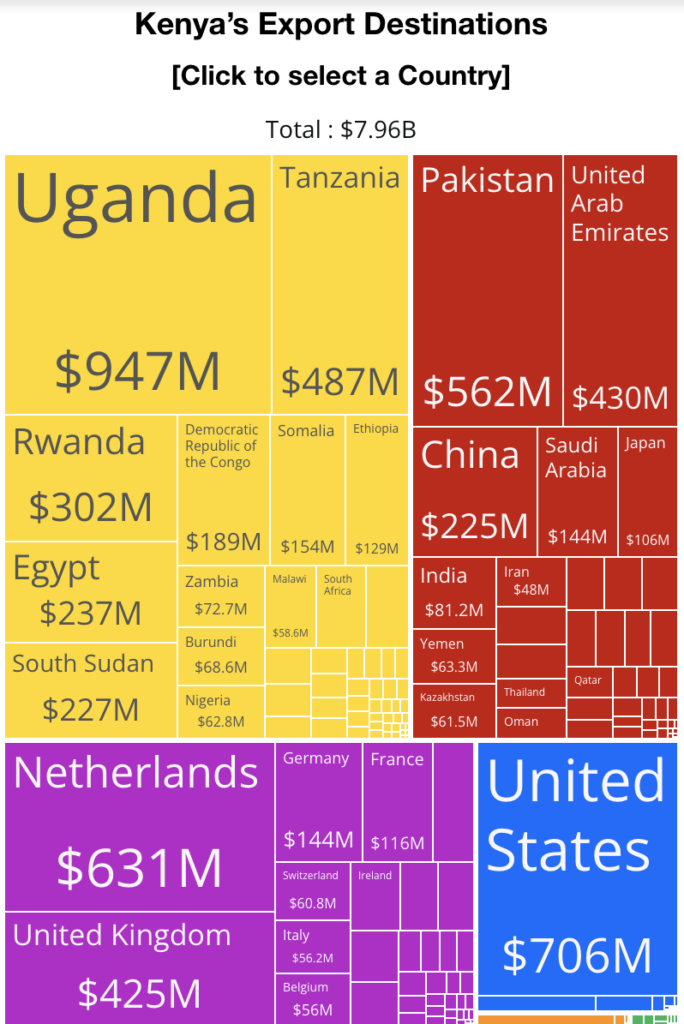
Kenyan companies dominated supermarket shelves and construction sites, and in 2023 alone, Kenya supplied Uganda with nearly USD 1 billion worth of goods. The economic ties were deep, steady, and firmly anchored.
Bank of Uganda’s latest data tells the story clearly.
Three years ago, imports from Tanzania were less than half of what Uganda bought from Kenya. By mid-2024, Tanzania’s exports to Uganda had almost caught up, and by June 2025, Tanzania had not only overtaken Kenya but had nearly doubled it to USD 2.2 billion worth of goods from Tanzania compared to Kenya’s USD 1.19 billion.
The scale of the change is striking. Tanzania has added more than $1.7 billion to its exports to Uganda in just three years, while Kenya’s growth has been modest. What was once a side route, the Central Corridor through Dar es Salaam, has become the main artery supplying Uganda’s economy.
Uganda, long dependent on Kenya’s pipeline and petroleum distributors, has increasingly turned to Tanzania for direct imports. By bypassing Kenyan middlemen, Uganda has effectively redrawn one of the most valuable parts of its trade relationship with Kenya.
This quiet but decisive change in fuel logistics has become one of the defining breaks between the two neighbours.Economist Dr Fred Muhumuza says the story is complex.
Tanzania’s rising role doesn’t mean Kenya is being entirely replaced. Many of the goods coming through Tanzania are new categories, not direct substitutes for Kenyan-manufactured items.
He further notes a clear trend: more goods and services that once moved through Kenya are now flowing through Tanzania. To understand the shift, he argues, one must look at value, not just volume.
Uganda’s economic dependence is slowly being rewired. Disruptions at the port of Dar es Salaam, changes in fuel prices, or shifts in Tanzanian policy will now be felt in Kampala more sharply than before. The Central Corridor carries not just cargo – it now carries influence.
Kenya remains an important trading partner, but the era of automatic dominance is fading. Uganda’s future supply lines are increasingly tied to Tanzania’s infrastructure, pipelines, and transport networks. What used to be a secondary route has quietly become Uganda’s primary gateway.
In this new reality, East Africa’s economic map is being redrawn; one shipment, one route, and one corridor at a time.

